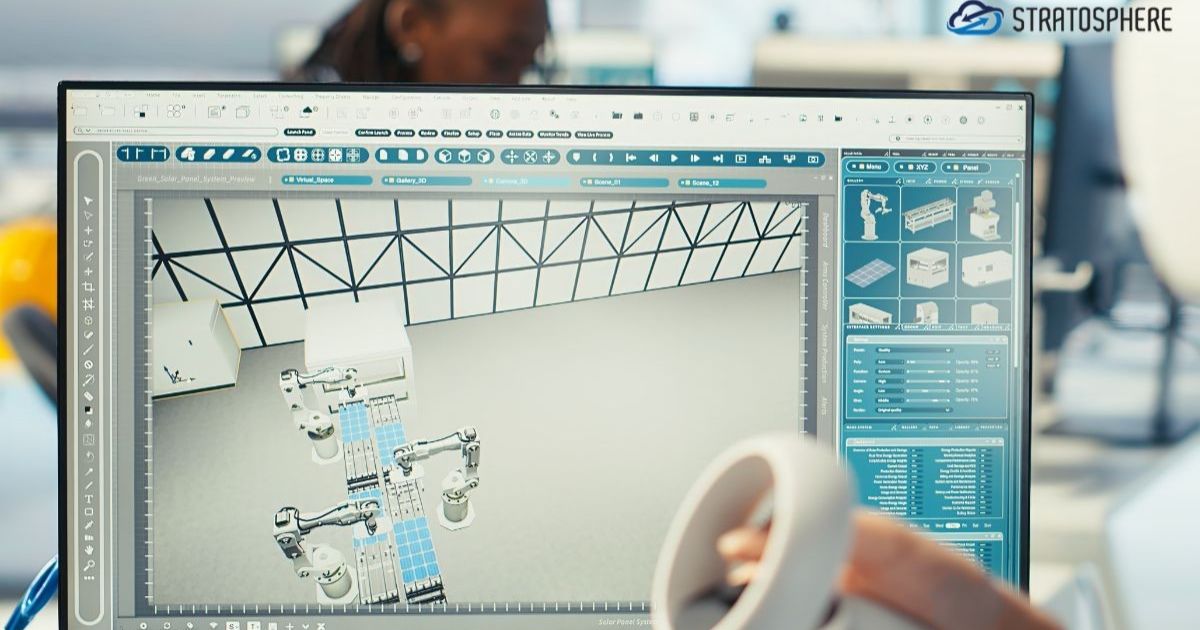
Early cost planning shapes every build. One wrong count can ripple through the whole job. Teams often rush this stage, then fix mistakes later. That cycle drains time, money, and trust. During early estimating, the plan take off software helps teams catch errors before they grow. It doesn’t guess. It shows the numbers clearly, so plans stay solid from the start.
Cost planning starts before bids, before schedules, and before site work. It sets expectations. Still, manual takeoffs invite gaps. Lines blur. Scales confuse. Pages stack up. Errors sneak in. Software-based takeoffs bring clarity early, so teams don’t chase fixes later.
Why Early Cost Planning Breaks Down So Often?
Early estimates carry pressure. Deadlines push for fast work. Plans change mid-review. Teams juggle versions. All that chaos creates cracks.
Common issues show up fast:
- Missed areas on drawings
- Wrong scale readings
- Duplicate counts
- Notes lost between pages
Each small miss stacks into rework. Teams then adjust budgets late. That hurts bids and margins.
Read Also: What Blueprint Takeoff Software Offers For Collaborative Bidding Teams?
How Rework Quietly Eats Project Time?
Rework rarely feels loud at first. It hides in revisions and meetings. Then it snowballs. One wrong count leads to updated material lists, changed supplier quotes, rewritten estimates, and extra review time. That loop burns hours. It also strains teams. Fixing mistakes later always costs more than catching them early.
How Digital Measurement Brings Early Control?
Digital tools lock scale accuracy. They keep measurements tied to drawings. That stability matters early. With takeoff software, teams can measure once and trust it, adjust instantly if plans change, keep all counts visible, and share numbers without rework. That control saves time before problems appear.
Why Consistent Data Stops Cost Guessing?
Early estimates often rely on rough math. Rough math invites rough budgets.
Software builds clean data sets. Quantities link directly to drawings. Changes update live.
This helps teams:
- See true material needs
- Spot overages early
- Align costs with scope
Accurate data reduces panic later.
How Version Tracking Prevents Duplicate Work?
Plan updates arrive often. Manual tracking struggles to keep up. Digital takeoffs track revisions clearly. Teams see what changed and what stayed. That prevents re-measuring old areas, counting removed items, and using outdated plans. Clear versions cut wasted effort.
Why Visual Markups Reduce Miscommunication?
Words confuse. Visuals explain. Markup tools let teams highlight, label, and note drawings directly. Everyone sees the same marks. This avoids:
- Long explanation emails
- Confusing phone calls
- Wrong assumptions
Clear visuals stop back-and-forth delays.
How Team Access Reduces Repeat Effort?
Shared access changes the workflow. One update reaches everyone. With cloud tools, estimators see live changes, managers can review instantly, and teams avoid double work. This teamwork shortens review cycles and trims rework risks.
Where Early Errors Hurt the Most
Mistakes hurt more before bids lock. Late fixes cost jobs. Early errors cause:
- Underpriced bids
- Lost trust
- Tight margins
Catching issues early protects profit and reputation.
How Structured Takeoffs Support Smarter Bids?
Structured takeoffs build clean estimates. Clean estimates build confidence. Teams can adjust scope quickly, test pricing options, and respond faster to changes. This flexibility matters during bidding pressure.
Why Speed Without Accuracy Still Fails?
Fast estimates mean nothing if numbers fail. Speed must follow accuracy. Software balances both. It speeds work without cutting corners. That balance keeps estimates sharp and reliable.
How Software Supports Growing Teams?
As teams grow, chaos grows too. Shared tools bring order. Digital platforms help teams train faster, standardize methods, and keep quality steady. Growth stays controlled, not messy.
Why Early Planning Shapes Project Trust?
Clients trust clear numbers. Clear numbers come from solid planning. When estimates hold up:
- Trust builds
- Revisions drop
- Relationships strengthen
That trust starts early.
How Takeoff Software Fit Daily Estimating Work?
This isn’t extra work. It replaces messy steps. Teams use Takeoff software to measure, review, and adjust inside one system. That keeps work flowing. Simple tools reduce friction.
What Makes Cloud Access Matter Early?
Early planning happens everywhere. Office desks don’t limit it. Cloud tools allow:
- Quick checks from any device
- Fast plan reviews
- Real-time updates
That flexibility saves time when plans change.
Wrapping Up
Early cost planning sets the tone for every build. Rework thrives when data stays loose and unclear. Using plan take-off software keeps numbers tight, visible, and reliable from day one. That early clarity reduces corrections, stress, and wasted effort.
Teams that want clean estimates without constant fixes rely on tools built for real workflows. Stratosphere by Tally System supports accurate takeoffs, shared access, and smooth early planning. It helps estimators stay confident, organized, and ready before costs spiral.
Read Also: How Construction Software Helps Teams Build Efficiently
Frequently Asked Questions
Q1:What is the plan take off software?
It’s a cloud-based tool for measuring plans, calculating quantities, and creating accurate estimates online.
Q2:How does it reduce rework during early cost planning?
It catches errors early, ensures accurate counts, and keeps data visible, preventing late corrections.
Q3:Can teams share updates instantly?
Yes, cloud access allows live updates, so managers and estimators avoid duplicate work and delays.
Q4:Why is version tracking important in takeoffs?
Tracking changes prevents re-measuring, avoids outdated plans, and keeps estimates aligned with current drawings.
Q5:How does Stratosphere by Tally System help estimators?
It offers shared access, accurate takeoffs, and smooth early planning to boost confidence and reduce mistakes.



Omega
This is a paragraph.It is justify aligned. It gets really mad when people associate it with Justin Timberlake. Typically, justified is pretty straight laced. It likes everything to be in its place and not all cattywampus like the rest of the aligns. I am not saying that makes it better than the rest of the aligns, but it does tend to put off more of an elitist attitude.
Leave a Reply